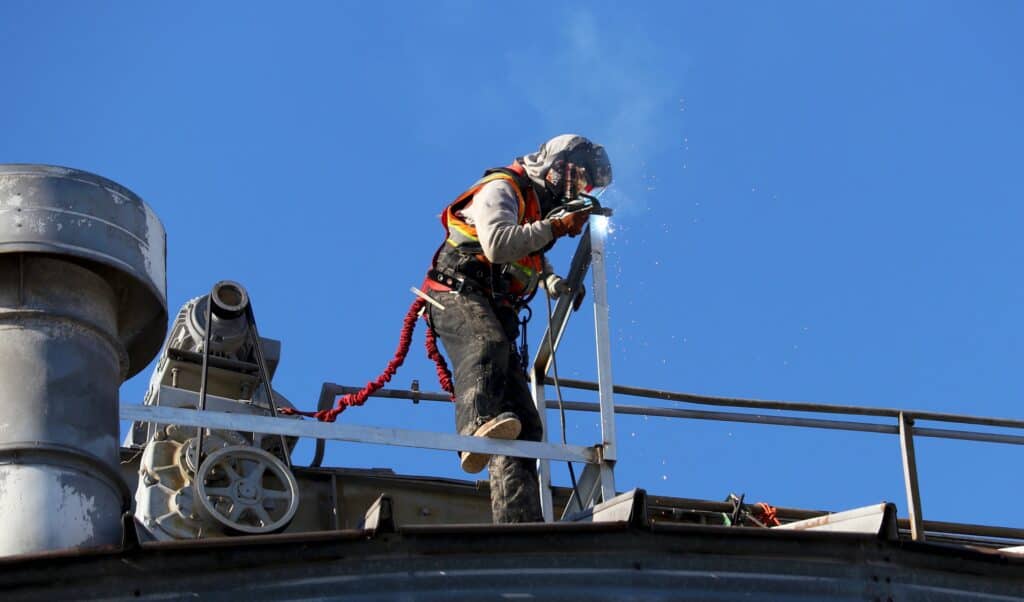
Weldability is a measure of how easy it is to make a weld in a given parent material, without cracks, with the required mechanical properties for service, and with resistance to service degradation. Weldability is determined through comparisons with other materials that have been successfully welded in the past.
A series of tests are used to quantify a material’s weldability, with each test being specific to a set aspect of weldability. In the case of aluminium and aluminium alloys, which can be susceptible to solidification cracking, the Houldcroft / Fishbone test can be used to measure susceptibility. This is done by machining slots of increasing length in the test piece, reducing the strain as the weld progresses.
Since pure aluminium is relatively soft, small amounts of alloying elements are typically added to produce a range of mechanical properties, with weldability testing taking account of factors such as porosity, solidification cracks, liquation cracking, or a poor weld bead profile. You can find out more about the weldability of aluminium alloys, here: https://www.twi-global.com/technical-knowledge/job-knowledge/weldability-of-materials-aluminium-alloys-021