On Wednesday 2 April, ALFED joined a high-level industry briefing with Sarah Jones MP, Minister of State at both the Department for Business and Trade (DBT) and the Department for Energy Security and Net Zero (DESNZ), to discuss the implications of the US Government’s latest global tariff actions – labelled ‘Liberation Day’ – and the potential consequences for UK industry and the aluminium sector.

This follows multiple recent meetings between the Minister and representatives of UK manufacturing and metals, underscoring the seriousness of the situation and the Government’s stated intention to work closely with industry as the global trade environment evolves.
Key Messages from Government:
- The UK Government does not welcome a trade war and is pursuing a measured and strategic approach, continuing direct engagement with the US to seek a resolution.
- Prime Minister Keir Starmer and Trade Ministers have held constructive discussions with US counterparts, with further negotiations ongoing.
- The Government is currently assessing the UK’s formal response to any reciprocal tariffs.
- Officials are also monitoring global trade diversion risks, particularly from the EU and Canada, and stand ready to act if needed.
- Ministers reiterated their commitment to ensuring that UK manufacturing competitiveness is a core pillar of the UK’s trade and industrial strategy.
Key Issues Raised by ALFED and Industry Representatives:
1. Energy Costs & Competitiveness
- ALFED highlighted that the UK’s high industrial electricity prices remain the biggest single barrier to competitiveness, particularly in energy-intensive sectors like aluminium.
- Tariffs, when coupled with existing high energy costs, further disadvantage UK producers and risk undermining investment and capacity.
- There was a strong call to ensure that energy pricing reform is aligned with trade and industrial policy, especially in any forthcoming UK industrial strategy.
2. Uncertainty & Customer Confidence
- While some UK aluminium companies do not export directly to the US, many supply into affected value chains, creating ripple effects across the sector.
- Members reported growing uncertainty and a reduction in customer demand, especially from automotive clients, which may be partially linked to evolving trade dynamics.
- Some have already seen a 10% drop in sales and warned that up to 25% of UK aluminium exports may be at risk depending on how tariff exemptions evolve.
3. Trade Diversion & Scrap Leakage
- ALFED members raised real-time concerns that premium pricing for aluminium in the US is already attracting UK scrap exports, with some leakage already occurring.
- This undermines UK circular economy objectives and puts long-term decarbonisation and recycling investments at risk.
- Industry called for greater urgency and policy alignment to retain strategic materials and build domestic reprocessing capacity.
4. Strategic Importance of Scrap
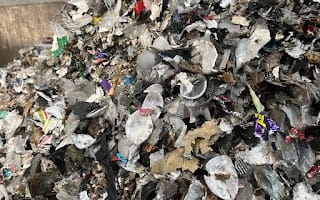
- Members emphasised that aluminium scrap is a strategic material, not just a waste stream – “scrap is stored energy”.
- To meet net zero goals, increased domestic use of scrap will be critical, especially for low-carbon manufacturing and future defence capability.
- There was also a call for more granular trade codes to track and distinguish strategic alloys from broader scrap categories.
5. Need for Proactive Trade Defence
- Multiple contributors, including key downstream producers, urged Government to act pre-emptively, particularly on potential safeguard measures.
- The Trade Remedies Authority (TRA) process was described as slow and retrospective, with a need for more fleet-footed, forward-looking action.
- ALFED proposed that Government consider flexible thresholds for triggering reviews, based on credible risk of future injury, not just retrospective evidence.
6. Value Chain Impacts
- It was stressed that the tariffs are not just about primary producers but about protecting entire supply chains, especially those tied to automotive, aerospace, and packaging.
- Calls were made to engage sector-wide and use upcoming evidence from industry to inform both DBT and DESNZ positions.
Next Steps
ALFED will continue its direct engagement with the Department for Business and Trade (DBT), the Department for Energy Security and Net Zero (DESNZ), and the Trade Remedies Authority (TRA) to ensure that the aluminium sector’s voice is heard at the highest levels of government.
Following this latest briefing, we welcome the Government’s assurance that all options remain under active consideration and that reciprocal trade actions will be approached with measured caution. ALFED is now working to collate further intelligence from its members to support the evidence-gathering process and reinforce the case for strategic safeguards, if needed.
We encourage all members to share timely and confidential information regarding any export disruptions, scrap market shifts, customer cancellations, or pricing anomalies that may be linked to the unfolding global trade environment. This will be critical in ensuring that ALFED can accurately represent the current risks to UK aluminium producers and processors in our ongoing discussions with ministers and officials. As part of a coordinated national approach, we will also continue to push for alignment between trade strategy and industrial energy reform, ensuring that the sector’s competitiveness remains central to the Government’s economic agenda under Prime Minister Keir Starmer.
Further meetings are expected in the coming weeks, and ALFED will keep members fully informed as the situation develops. Please contact us directly if you would like to provide evidence, raise concerns, or contribute to the sector’s collective response.